When life gives you lemons, toxic positivity says to make lemonade and smile—or else This insidious cultural habit of minimising negative emotions can hinder our ability to overcome life’s challenges; in fact, it stunts our resilience.
Here’s how:
Toxic positivity suppresses emotion processing –
tells us we must ‘look on the bright side’ and remain upbeat no matter what. This mindset suppresses our natural negative emotions, which need processing to find meaning, heal, and grow from difficult experiences. Pretending everything is fine, problems fester unchecked beneath the façade. Financial struggles, ailing health, and relationship conflict all get minimised under a blanket of false cheer. Valid concerns and negative emotions get dismissed as unnecessary ‘negativity’ to avoid.
Rather than acknowledging challenges and seeking solutions, people turn to escapist behaviours to cope. They seek distractions like social media, shopping sprees, drugs or alcohol, or binge eating to numb uncomfortable feelings that threaten the veneer of happiness.
Toxic positivity creates denial and avoidance –
pressures people to put on a happy face, no matter their hardships. This forces denial and avoidance of real issues rather than building resilience by proactively learning coping skills. A mindset of relentless optimism makes it harder to ask for help. Admitting you are not okay feels like failure. Toxic positivity shames people for human vulnerabilities rather than offering support. The avoidance of reality increases isolation and suffering. Denying reality also hinders preparation. You may miss vital warning signs of impending crises. You fail to take sensible precautions or make contingency plans, since that could undermine your forced cheer, so there is little opportunity to build resilience.
Toxic positivity leads to emotional explosion –
The denial of authentic emotions causes the suppressed feelings to build up pressure without relief. These pent-up feelings intensify over time. Unprocessed pain, frustration, grief, and despair swell and churn beneath the façade of forced positivity. People may try to keep a lid on them through unhealthy coping mechanisms like overeating, overspending, and substance abuse. Eventually, these buried emotions reach a breaking point when even avoidance is no longer possible. The pain erupts to the surface in breakdowns, outbursts, and meltdowns. Years of unaddressed hurt and anger explode outward after being denied and buried for too long. The outpourings are often disproportionate to the triggering event because they stem from an accumulation of many unresolved issues. Toxic positivity prohibits addressing problems incrementally before they snowball out of control.
Suppressed emotions surge out with greater magnitude precisely because they have not had space for expression. Allowing the full spectrum of emotions prevents this dangerous buildup. When acknowledged, negative feelings can move through us and dissipate healthily. Give them space to breathe before they become overpowering forces.
Toxic positivity isolates people –
By coercing upbeat reactions at all costs, toxic positivity implies that struggling means you are defective. It conditions people to mask their true feelings out of fear of burdening others or being judged as ‘negative.’ Vulnerability and openness become risks.
Many recoil from sharing their troubles because toxic positivity has taught them that emotions outside the socially acceptable range are inappropriate. They are wary of expressing their true feelings, which cuts off the chance of empathetic listening, hugs, and human understanding when needed. Isolation worsens suffering. Grieving alone can lead to feelings of isolation that hinder healing and compound pain. Depressed individuals feel alienated by the barrage of ‘good vibes only’ exhortations that undermine and deny their feelings. Perfectionism – the expectation that everyone must always be happy instils shame around mental health issues, which require compassion, not cover-ups.
Good friends acknowledge the depth of grief and make space for sadness rather than suppressing it. Knowing we are not alone, this connection in our most vulnerable moments is a balm—toxic positivity’s false comfort isolates. Genuine positivity accepts humanness.
We dissolve that isolation by dropping the façade and giving each other permission to feel authentically. Being vulnerable together makes us feel worthy of love, not just when we are upbeat but because we are human.
Toxic positivity promotes unrealistic expectations –
When people inevitably feel down, toxic positivity frames it as a personal failure or weakness. Toxic positivity encourages shame and erodes self-esteem when experiencing regular mood shifts—the perfectionistic expectations fuel anxiety and despair. Reality becomes problematic since it does not conform to the rigid positivity doctrine. People start avoiding and distorting reality to create the mere appearance of universal happiness. This denial breeds delusion and more profound dysfunction. Challenging experiences provide growth opportunities if processed openly. However, toxic positivity prohibits down days that could lead to breakthroughs. It falsely paints life as a linear upward progression rather than the ups and downs that build wisdom and resilience.
Ironically, chasing the myth of constant cheerfulness will likely create more unhappiness due to the harsh self-judgment and denial of reality required.
Prevents personal development –
Difficult emotions serve an essential purpose. They signal something is amiss and needs addressing. Leaning into discomfort can reveal our core needs and values. Reflecting on sadness and fear provides clues to what matters. Anger can motivate positive change when directed constructively. By working through negative experiences skilfully, we gain wisdom and self-knowledge. We learn where our boundaries lie. We uncover hidden reserves of strength and courage within. Facing loss and failure helps us recalibrate our priorities. Disappointment can clarify our vision. However, toxic positivity short-circuits personal development by denying the full spectrum of human emotion. Rather than sitting with heartbreak or loss, we feel pressured into putting a positive spin on it. This rush denies us the chance to feel and release the pain in healthy ways fully. Emotions pushed down and unaddressed linger under the surface, only to reemerge later as stress, anxiety, and depression.
Toxic positivity leaves no space to wrestle with life’s inevitable growing pains. Without integrating the lessons of darkness, our development is one-sided and stunted. The most potent growth often happens during hard times. We emerge wiser and more resilient by exploring pain with self-compassion instead of avoidance. The ‘nights of the soul’ deepen meaning and connection with self. Denying vulnerability, together with toxic positivity, hinders true resilience and self-empowerment. Fully experiencing life’s complex emotions, embracing the sweet and the bitter, allows us to flourish into our best selves. Wholeness requires honouring light and dark on the journey.
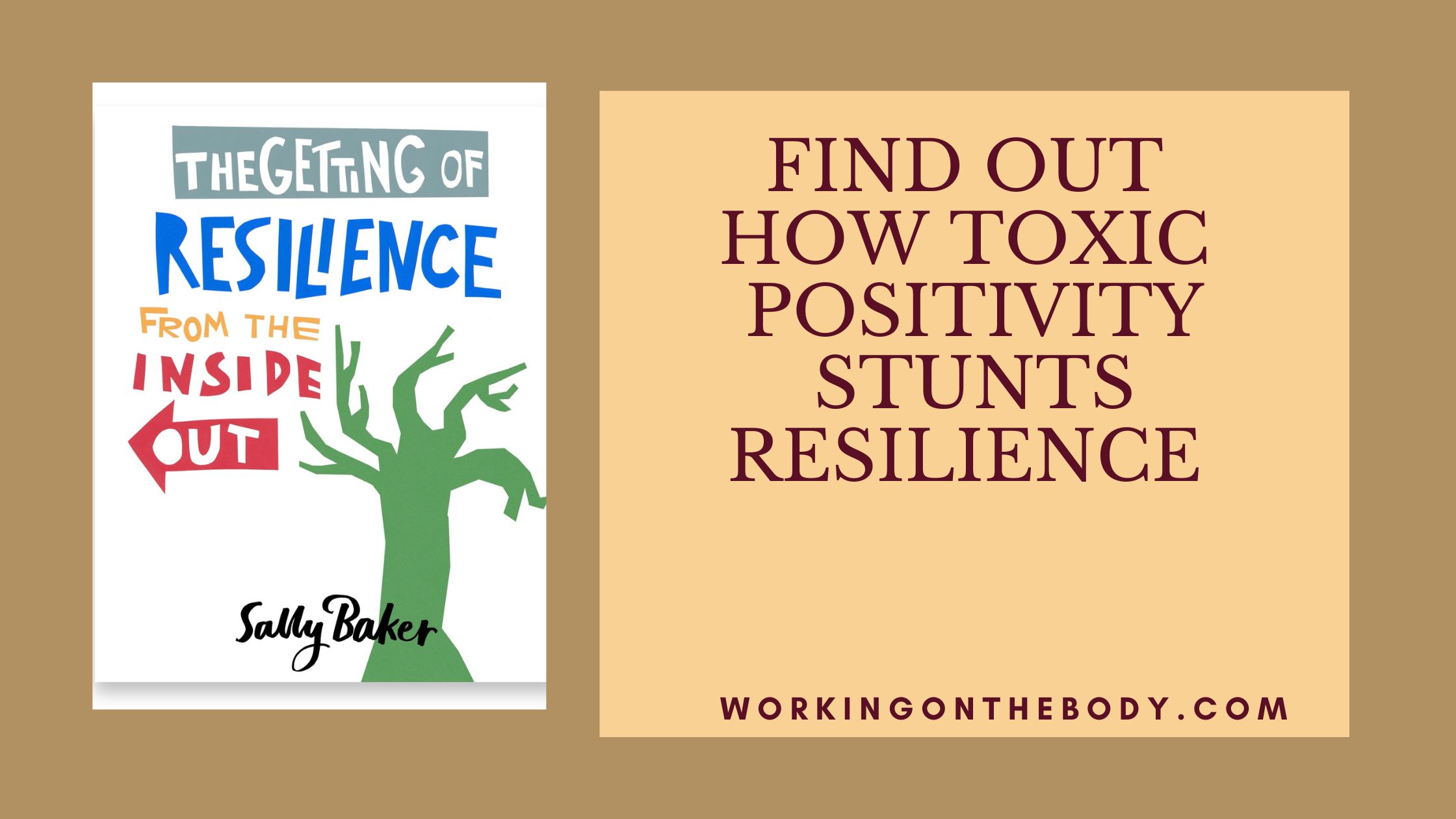
If you struggle with difficult emotions, you can book an obligation-free discovery call with Sally via the link on her home page. Sally’s latest self-help book focuses on how to build your resilience and increase your capacity to manage your emotions in ways that allow you to feel heard and seen. The Getting of Resilience from the Inside Out is available from Amazon. This feature by Sally Baker was first published in the Preneur magazine https://bit.ly/4f0VB9L
